
August 24, 2026 · 8 min read
How Many Eggs Do Silkie Chickens Lay? Full Silkie Egg Production Guide
Wondering how many eggs do Silkie chickens lay? This comprehensive guide covers everything you need to know about Silkie chickens and their egg production.
Naysmith Farm
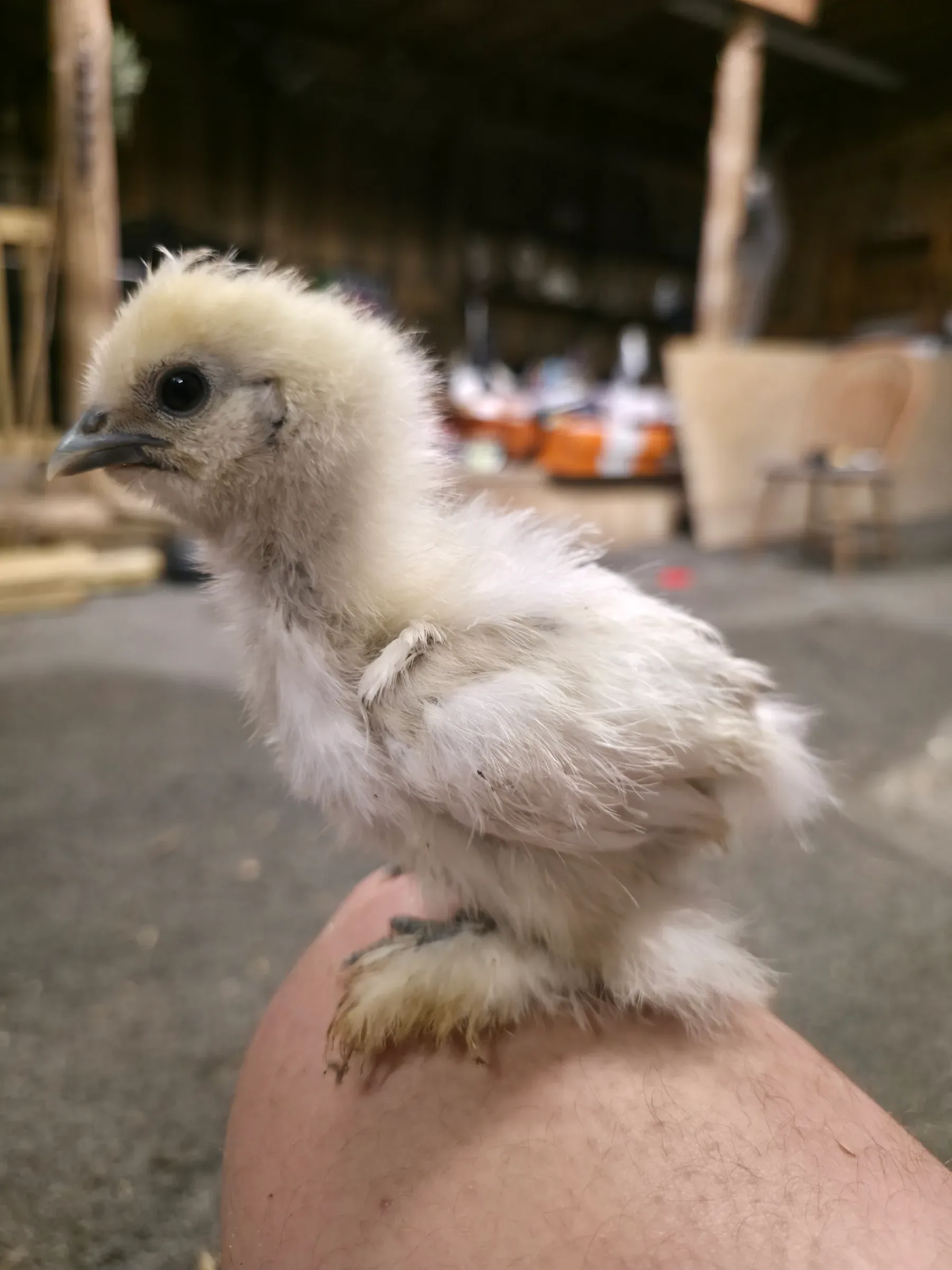
Silkie chickens are loved for their fluffy feathers, calm personalities, and tendency to make excellent mothers.
But if you're looking for a high-production laying hen, this probably isn't the breed for you.
Silkies do provide eggs, but it might be as little as a few eggs per week. However, Silkies are often highly sought after, so many Silkie owners have found that the better use for Silkie eggs is either to sell them as hatching eggs or to hatch them and sell the chicks.
How Many Eggs Do Silkies Lay Per Week?
A healthy Silkie hen will often lay around 2 to 4 eggs per week during periods of good production.
Some hens may lay more, while others may lay less.
Production varies based on several factors, including:
- Age
- Genetics
- Nutrition
- Daylight
- Weather
- Stress
- Health
- Broodiness
- Time of year
Silkies are not bred primarily for maximum egg production, so there can be considerable variation between individual hens.
One Silkie might provide eggs fairly consistently while another spends much of the year trying to hatch them.
How Many Eggs Do Silkies Lay Per Year?
A reasonable estimate for many Silkie hens is somewhere around 100 to 150 eggs per year.
That is significantly less than a high-production laying breed.
Many commercial-style laying chickens produce over 300 eggs per year under optimal conditions.
Silkies are generally kept for a different combination of traits.
They are popular because they are:
- Friendly
- Attractive
- Small
- Broody
- Good mothers
- Interesting breeding birds
Egg production is useful to the extent that breeders sell the eggs for others to hatch, or to hatch them themselves and sell the chicks. Due to the low volume of eggs they lay and the relatively high demand for those eggs, silkie eggs and chickens can often sell for a substantial premium.
What Do Silkie Eggs Look Like?
Silkie eggs are relatively small.
They are usually cream, off-white, or lightly tinted.
Despite the unusual appearance of the chicken, the eggs themselves look fairly ordinary.
You should not expect black eggs just because Silkies have dark skin.
A typical Silkie egg is noticeably smaller than a large grocery-store egg, although exact size varies from hen to hen.
Can You Eat Silkie Eggs?
Yes.
Silkie eggs are perfectly edible and can be used just like eggs from other chickens.
You can:
- Fry them
- Scramble them
- Boil them
- Bake with them
- Use them in recipes
The main difference is size.
If a recipe calls for large eggs, you may need to use more Silkie eggs to provide the same amount.
For everyday cooking, many people simply mix them together with eggs from the rest of the flock.
When Do Silkie Chickens Start Laying Eggs?
Silkies can be slower to mature than some production breeds.
Many Silkie pullets begin laying somewhere around 6 to 9 months old, although some may begin earlier or later. This is a very long time-to-maturity compared to other breeds. Many heritage breeds only take 22 weeks to grow to maturity and begin laying.
Do not be surprised if your Silkie takes longer to start laying than a breed developed specifically for egg production.
Individual development matters.
Daylight can also affect when a young hen begins laying.
For example, a Silkie reaching maturity during the shorter days of winter may take longer to start than a similar bird reaching maturity during spring.
Do Silkies Lay Eggs Every Day?
Usually not.
A Silkie may occasionally lay on consecutive days, but most will not maintain the near-daily production associated with high-performing laying breeds.
You may get an egg one day, another the next, then nothing for a day or two.
That is normal.
For a small backyard flock, the difference may not matter much.
If you keep five or six Silkie hens, their combined production can still provide a regular supply of eggs.
Why Did My Silkie Stop Laying?
A drop in egg production does not necessarily mean something is wrong.
There are many normal reasons a Silkie may temporarily stop laying.
1. She Went Broody
This is one of the biggest reasons.
Silkies are famously broody.
When a hen becomes broody, her priority changes from laying eggs to trying to hatch them.
She may spend most of the day sitting in a nest and stop laying altogether.
A broody period can significantly reduce annual egg production.
This is one reason Silkies can vary so much from other breeds when comparing yearly egg totals.
2. The Days Got Shorter
Chicken egg production is strongly influenced by daylight.
As days shorten during fall and winter, many hens naturally slow down.
Some may stop almost completely for a period of time.
Production often increases again as daylight returns.
3. She Is Molting
Chickens periodically replace their feathers.
During a molt, the bird's body directs nutrients toward growing new feathers instead of producing eggs.
A hen may dramatically reduce or stop laying while molting.
4. She Is Stressed
Changes in the flock or environment can interrupt egg production.
Potential stressors include:
- Moving to a new coop
- Predator activity
- Extreme heat
- Extreme cold
- New flock members
- Bullying
- Lack of water
- Sudden feed changes
Short disruptions are common.
Longer or unexplained changes may be worth investigating.
5. She Is Getting Older
Egg production generally declines as chickens age.
A young hen will often produce more eggs than the same bird several years later.
Older Silkies can continue laying, but production may become less frequent.
Do Silkies Lay in Winter?
Some do.
Others slow dramatically or stop.
Winter production depends on the individual hen, age, climate, daylight, nutrition, and whether artificial lighting is used.
Natural daylight becomes much shorter during winter in many parts of the country.
That reduced daylight often signals the reproductive system to slow down.
If your Silkies produce fewer eggs in December than they do in May, that is usually normal.
Does Feed Affect Silkie Egg Production?
Absolutely.
Laying hens need adequate nutrition to produce eggs consistently.
A balanced poultry ration intended for laying chickens is usually the foundation of their diet.
Laying hens also need access to calcium.
Many flock owners provide oyster shell separately so hens can consume additional calcium as needed.
Fresh water is just as important.
A chicken that runs out of water can experience a rapid drop in egg production.
Treats and free-ranging foods can add variety, but they should not replace a nutritionally complete feed.
Does Free Ranging Increase Egg Production?
Not necessarily.
Free-ranging gives chickens access to insects, vegetation, seeds, and opportunities to forage.
It can be excellent enrichment and may supplement their diet.
But letting a Silkie free-range does not automatically cause her to lay more eggs.
In fact, free-ranging hens sometimes make production harder to track because they decide to lay eggs somewhere other than the nesting box.
If your Silkie suddenly appears to have stopped laying, check around:
- Bushes
- Barn corners
- Hay
- Under buildings
- Behind equipment
- Other sheltered areas
You may discover that she has simply created her own nest.
How Many Silkies Do You Need for a Dozen Eggs Per Week?
If each hen averages roughly 2 to 4 eggs per week, you would generally need several hens to consistently collect a dozen Silkie eggs.
Four hens producing three eggs each would give you approximately:
12 eggs per week
But chickens do not operate on a perfect schedule.
Some weeks you may get more.
Some weeks you may get considerably less.
Broodiness, weather, molting, and seasonal changes can all affect production.
If you need a guaranteed dozen eggs every week, keeping more hens provides a buffer.
Are Silkies Good Chickens for Selling Eating Eggs?
It's not advised. They are usually not the most efficient breed for an operation focused entirely on egg production.
If you sell eating eggs, a flock of dedicated laying breeds can generally produce more eggs using the same amount of coop space.
Silkies lay as few as 1/3 as many eggs as some commercial layers, and the eggs are much smaller. For an individual who only wants a couple of eggs a week, they could be a good option due to their small size.
Silkies may make more sense when the farm has several potential products from the same birds.
For example, a Silkie breeding flock might produce:
- Eating eggs
- Hatching eggs
- Day-old chicks
- Started birds
- Breeding stock
An egg that is not needed for hatching or breeding can still be used as an eating egg.
That can make Silkies economically interesting even though they are not exceptional commercial layers.
Hatching Eggs Versus Eating Eggs
For breeders, not every egg necessarily goes into the breakfast basket.
Eggs from a breeding flock may be:
- Collected for incubation
- Sold as hatching eggs
- Used for eating
How the eggs are allocated depends on the goals of the farm.
If demand for hatching eggs is high, more eggs may be set aside for breeding.
If fertility is temporarily low or breeding season has slowed, more may be sold or used as eating eggs.
This is one reason egg production matters even when Silkies are not being raised primarily as layers.
The number of eggs a flock produces ultimately determines how many hatching eggs and chicks the farm can produce as well.
Silkies Are Better Known for Hatching Eggs Than Producing Them
There is a funny contradiction with Silkies.
They are not exceptional egg layers, but they are among the most famous chickens for hatching eggs.
Silkie hens frequently become broody and can be extremely persistent about sitting on a nest.
They may happily incubate:
- Their own eggs
- Eggs from other chicken breeds
- Other poultry eggs in some situations
This maternal instinct is a major advantage for people who want hens to hatch and raise chicks naturally.
The downside is that every week spent broody is another week the hen is not producing new eggs.
How Can You Get More Eggs From Silkies?
You cannot turn a Silkie into a commercial laying hen, but good management can help each bird reach its natural production potential.
Focus on the basics:
- Feed a balanced diet
- Provide constant access to clean water
- Offer appropriate calcium
- Keep housing clean and dry
- Reduce unnecessary stress
- Protect birds from parasites and disease
- Provide comfortable nesting boxes
- Maintain good flock conditions
You should also have realistic expectations.
Silkies simply were not developed to produce an egg every day.
That is part of the breed.
Should You Keep Silkies for Eggs?
If your only goal is maximum egg production, probably not.
There are many chicken breeds that will give you substantially more eggs.
But if you want chickens that are friendly, beautiful, unusual, broody, and capable of producing a reasonable number of eggs, Silkies are a great option.
Their value is really the combination.
You get an entertaining backyard chicken, a potential breeding bird, an excellent broody hen, and a modest supply of eggs.
For many people, that is far more interesting than simply maximizing the number of eggs in the carton.
Silkie Chickens at Naysmith Farm
At Naysmith Farm, we raise Silkies and other chickens on our small farm in East Tennessee.
Our available birds and products can change throughout the year depending on breeding groups, laying cycles, hatch schedules, and current availability.
Depending on the season, we may have Silkie chicks, hatching eggs, fresh eating eggs, or other farm products available.
You can check current availability at NaysmithFarm.com/shop.
Keep reading
- Silkie Chickens: Everything You Need to Know Before Buying Them
Thinking about getting some Silkies? This comprehensive guide & overview will tell you everything you need to know before getting Silkie Chickens.