
August 23, 2026 · 11 min read
Silkie Chickens: Everything You Need to Know Before Buying Them
Thinking about getting some Silkies? This comprehensive guide & overview will tell you everything you need to know before getting Silkie Chickens.
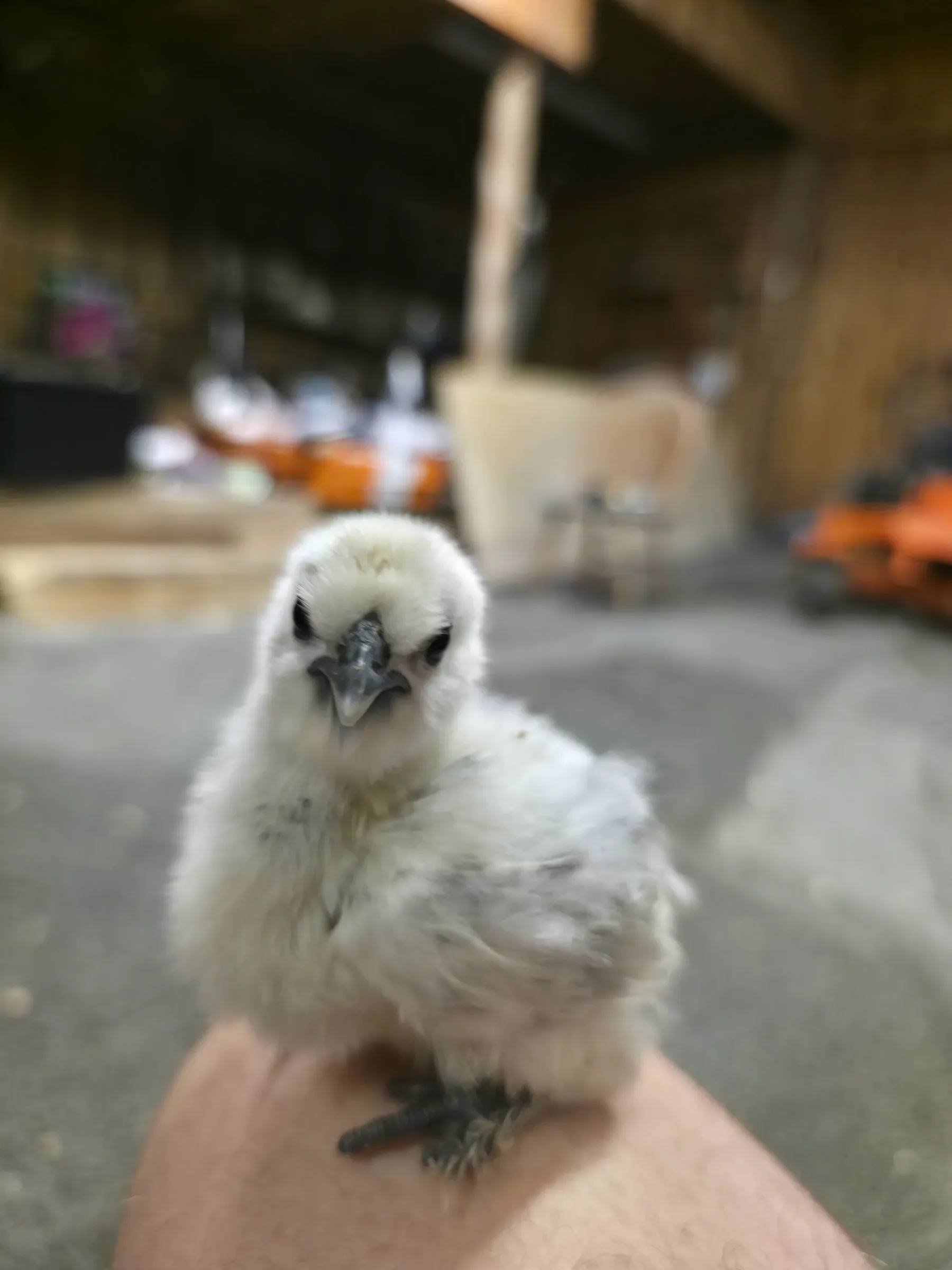
Silkie chickens are one of the most recognizable chicken breeds in the world.
With fluffy feathers, feathered feet, dark skin, five toes, and a personality that is often more relaxed than many standard chicken breeds, Silkies look almost nothing like the average backyard hen.
They are also one of the breeds people most frequently choose simply because they enjoy having them around.
Silkies can make excellent backyard chickens, pets, broody hens, and additions to a mixed flock. However, they are a little different from standard laying breeds, and it helps to know what you are getting before bringing a few home.
Here is what to expect when raising Silkie chickens.
What Is a Silkie Chicken?
The Silkie is a small, ornamental chicken breed known for its unusually soft feathers.
Normal chicken feathers have tiny structures that hold the feather together and create the smooth appearance most people associate with chickens. Silkie feathers lack some of that structure, giving them their fluffy, almost fur-like appearance.
That distinctive feathering is only one of several unusual Silkie characteristics.
Silkies are also known for:
- Fluffy plumage
- Feathered legs and feet
- Five toes on each foot
- Dark or blue-black flesh
- Walnut-shaped combs
- Crests of feathers on their heads
- A generally calm temperament
Their unusual appearance makes them popular with backyard chicken owners, families, breeders, and people who simply want something different in their flock.
Are Silkie Chickens Friendly?
Silkies are generally known for being calm and docile.
Individual chickens always have their own personalities, but Silkies tend to be easier to handle than many more active or flighty breeds.
That makes them popular for families and people who want chickens that are enjoyable to interact with.
Silkies often become comfortable around people when handled regularly from a young age. Some will follow their owners around the yard, approach for treats, and tolerate being picked up considerably better than more independent breeds.
Their temperament is one of the biggest reasons people keep them.
You may initially buy Silkies because of how they look and end up keeping them because of their personalities.
Are Silkie Chickens Good Pets?
They can be excellent pets.
Silkies are particularly appealing to people who want chickens for reasons beyond maximum egg production.
They are small, attractive, relatively calm, and often easy to handle.
They can also be entertaining chickens to keep. Between the fluffy crests, feathered feet, and tendency to wander around the yard looking like tiny walking clouds, they have considerably more personality than their size might suggest.
That said, they are still chickens.
They need appropriate housing, food, clean water, protection from predators, and regular care.
A friendly temperament does not mean they should be treated like indoor pets without consideration for their normal needs as poultry.
How Big Do Silkie Chickens Get?
Silkies are relatively small chickens.
Exact size depends on the bird and breeding line, but they are noticeably smaller than many common dual-purpose or production breeds.
Their feathers can also make them appear larger than they actually are.
Underneath all of that fluff is a fairly compact chicken.
This smaller size can be useful for backyard flocks because Silkies do not require the same amount of physical space as some large breeds, although they should still have plenty of room to move, forage, dust bathe, and behave naturally.
Do Silkie Chickens Lay Eggs?
Yes.
Silkies are perfectly capable of producing eggs, but they are not generally considered high-production laying chickens.
If your primary goal is producing as many eating eggs as possible, breeds developed specifically for egg production will usually outperform Silkies.
Silkies are more commonly kept for their appearance, personality, breeding value, and broodiness.
A healthy Silkie hen may still provide a steady supply of small eggs during productive periods, but production can vary considerably based on the individual bird, season, age, nutrition, and whether the hen becomes broody.
What Color Eggs Do Silkies Lay?
Silkie hens generally lay small cream or lightly tinted eggs.
Despite their unusual appearance, Silkies do not produce blue, black, or similarly unusual egg colors.
The eggs look fairly ordinary.
They are simply smaller than the eggs produced by many standard-size laying hens.
Are Silkie Eggs Good to Eat?
Yes.
Silkie eggs can be eaten just like eggs from other chicken breeds.
The primary difference is size.
If you are accustomed to large eggs from commercial laying breeds, you may need more Silkie eggs to get the same amount of egg for cooking or breakfast.
If you keep several Silkie hens, however, there is no reason their eggs cannot go into the same kitchen egg basket as those from the rest of your flock.
Are Silkies Broody?
Very often.
Silkies are famous for their tendency to go broody.
A broody hen wants to sit on eggs and hatch chicks rather than continue laying.
For someone focused entirely on eating egg production, that can be frustrating because a broody hen temporarily stops producing eggs.
For a breeder or small farm, it can be incredibly useful.
Silkie hens are often willing to hatch and raise chicks, including chicks that are not biologically theirs.
Their maternal instincts are one of the characteristics that have made the breed so popular.
Are Silkie Hens Good Mothers?
Silkie hens have a reputation for being excellent mothers.
A committed broody hen may sit patiently through incubation and then care for the chicks after they hatch.
She will typically keep them warm, show them food, call them over when she finds something interesting, and protect them as they learn how to behave like chickens.
Of course, every hen is different.
There is never a guarantee that a particular bird will go broody or successfully raise chicks.
As a breed, though, Silkies are well known for maternal behavior.
Can Silkies Live With Other Chickens?
Yes, Silkies can live in mixed flocks.
However, their temperament can sometimes work against them.
Because Silkies tend to be docile, more aggressive chickens may bully them. Their crests can also partially obstruct their vision, making it harder for them to see another chicken approaching.
When adding Silkies to a mixed flock, watch the flock dynamics carefully.
They may do well with calm breeds but struggle if housed with particularly dominant or aggressive birds.
Providing plenty of feeding space, water sources, roosting areas, and room to escape other chickens can help reduce conflict.
Can Silkie Chickens Free Range?
Silkies can free range, and many enjoy spending their day scratching through grass, searching for bugs, taking dust baths, and exploring.
They do have some disadvantages compared with many standard chickens: 1. Their fluffy feathering can limit their vision. 2. They are generally poor flyers. 3. Their calm nature may make them somewhat less capable of escaping danger, and often means they won't attempt to run or fight like many chickens will.
At Naysmith Farm, we've found that silkies are often targeted more than other chicken breeds due to the above factors. Predators often recognize that Silkies pose less of a danger to the predator and will target them over a flock with an otherwise large and defensive rooster.
For Silkie owners in an area with predator danger, we recommend ensuring all your coops, but especially Silkies, are predator-proof. Ensure there are no openings for hawks, owls, or other flying predators to get into the coop, that all latching mechanisms can't be exploited by smarter animals such as raccoons or cats, and that they possess sufficient brunting material to deter stronger animals like dogs, bobcats, or coyotes.
Can Silkies Fly?
Not very well.
Most chickens are not exactly accomplished flyers, but many can still get onto fences, roosts, branches, or other elevated surfaces.
Silkies are particularly limited because of their feather structure.
They may be able to hop or flutter onto low objects, but they are generally much less capable of sustained flight than standard-feathered chickens.
That means roosts and coop entrances should be easy for them to access.
A low roost or small ramp can be useful.
Do Silkies Need Special Housing?
Silkies do not require an entirely different type of chicken coop, but their feathers make dry housing particularly important.
Their fluffy feathers are not as effective at shedding water as normal chicken feathers.
A wet Silkie can become soaked much more easily than a standard-feathered chicken.
Provide:
- A dry coop
- Good ventilation
- Clean bedding
- Protection from rain
- Dry areas outside
- Secure nighttime housing
Their feathered feet can also collect mud, so constantly wet or muddy runs are not ideal.
Keeping the environment reasonably dry goes a long way toward keeping Silkies clean and comfortable.
Are Silkies Cold Hardy?
Silkies can live successfully in cold climates when provided with appropriate shelter.
Their fluffy plumage gives them insulation, but moisture and drafts can create problems.
As with other chickens, a dry, well-ventilated coop is generally more important than trying to make the coop completely airtight.
Their crests and feathered feet should also be monitored during wet or freezing conditions.
The goal is to give them a place where they can stay dry and get out of harsh weather.
Do Silkies Handle Hot Weather?
Silkies can also live in warmer climates, but chickens need help staying comfortable during extreme heat.
Provide access to:
Shade Fresh water Good ventilation Dust-bathing areas Cool areas away from direct sunlight
Like any chicken, Silkies can suffer from heat stress if temperatures become excessive.
Watch for heavy panting, wings held away from the body, lethargy, or other signs that a chicken is struggling with the heat.
What Do Silkie Chickens Eat?
Silkies can generally eat the same appropriately formulated poultry feed as other chickens at the same stage of life.
Chicks need chick feed.
Growing birds need an appropriate grower feed.
Laying hens generally need a diet formulated to support egg production.
Chickens that free range will also spend plenty of time finding:
- Insects
- Seeds
- Grass
- Plants
- Other small things they discover while scratching
Free-ranging can add variety, but it should not replace a balanced poultry feed.
Clean water should always be available.
Do Silkie Chickens Have Five Toes?
Yes.
Most chicken breeds have four toes on each foot.
Silkies typically have five.
That extra toe is one of the physical characteristics associated with the breed and is particularly noticeable because their feet and legs are also feathered.
It is one of those little details that makes Silkies look even stranger when you first encounter them.
Why Do Silkies Have Black Skin?
Underneath the fluffy feathers, Silkies have dark skin.
Their skin, connective tissue, and even some internal tissues contain unusually heavy pigmentation.
This gives them their distinctive blue-black appearance underneath the feathers.
It can be surprising the first time someone handles a Silkie because the dark skin is dramatically different from what most people expect from a chicken. But this is a natural trait of the bird, and considered important by breeders that the skin has the proper pigmentation. In fact, lighter skin can signal poor genetics of a Silkies, similar to fewer than 5 toes.
What Colors Do Silkie Chickens Come In?
Silkies are available in a wide variety of colors.
Depending on the breeding line, you may encounter Silkies in colors such as:
- White
- Black
- Blue
- Buff
- Splash
- Partridge
- Gray
There are also breeders working with additional colors and patterns.
Color can be one of the fun parts of building a Silkie flock, particularly if you plan to breed them.
Is My Silkie a Rooster or Hen?
Determining the sex of a young Silkie can be challenging.
Silkies are often considerably harder to sex at a young age than many other chicken breeds.
As they mature, differences become easier to identify.
Roosters may develop larger combs, more pronounced streamers in their crests, different feathering, and more upright behavior.
Eventually, crowing tends to settle the question.
However, young Silkies can keep owners guessing for quite a while.
If you are buying straight-run chicks, be prepared for the possibility of ending up with both males and females.
Are Silkie Roosters Friendly?
Many Silkie roosters are relatively calm, but temperament varies by individual bird.
A rooster's behavior can also change as he reaches maturity.
Even a small rooster should be treated with respect, particularly around children.
A good Silkie rooster can be an enjoyable part of a flock and may help watch for threats, call hens toward food, and maintain flock structure.
An aggressive rooster should not automatically be tolerated simply because he is small or attractive.
Temperament matters, especially if you intend to breed him.
Are Silkies Good for Beginners?
For many people, yes.
Their generally friendly personalities and manageable size make them appealing first chickens.
The biggest differences a beginner should understand are their feathering, susceptibility to wet conditions, tendency toward broodiness, and relatively modest egg production.
If you simply want a chicken that produces the maximum possible number of eggs, a Silkie probably should not be your first choice.
If you want an interesting backyard flock that is enjoyable to keep, Silkies are hard to beat.
What Should You Look for When Buying Silkies?
Start with healthy, active birds from a farm or breeder you are comfortable buying from.
Look for chicks or adults that are alert and moving normally.
Depending on the age of the bird, also look at:
- Eyes
- Feet and legs
- Feather condition
- Overall body condition
- Activity level
- Breathing
- Cleanliness around the vent
If you are purchasing breeding birds, you may also care about characteristics such as color, type, comb, toe placement, crest, feather quality, and bloodline.
What matters depends on your goals.
Someone looking for a few friendly backyard chickens may prioritize temperament.
Someone building a breeding program may be much more selective about structure and genetics.
Should You Buy Silkie Chickens?
If you want a calm, unusual, entertaining chicken, Silkies are an excellent breed to consider.
They are not the best choice for every purpose.
They are not exceptional egg producers.
Their feathers require a little more consideration in wet conditions.
They can be vulnerable to bullying from more aggressive flockmates.
But they offer plenty in return.
Silkies can be friendly, beautiful, excellent mothers, enjoyable pets, and fascinating birds to breed and raise.
For many chicken owners, one or two Silkies eventually turns into an entire flock.
Silkies at Naysmith Farm
At Naysmith Farm, we raise chickens here on our small farm in East Tennessee, including Silkies.
Depending on the season and availability, we may offer Silkie chicks, hatching eggs, or other poultry for sale.
Availability can change throughout the year as our birds mature, breeding groups change, and hens move through their natural laying cycles.
If you are looking for Silkies, fresh eggs, or other products from our farm, check our current availability at NaysmithFarm.com.
Keep reading
- How Many Eggs Do Silkie Chickens Lay? Full Silkie Egg Production Guide
Wondering how many eggs do Silkie chickens lay? This comprehensive guide covers everything you need to know about Silkie chickens and their egg production.